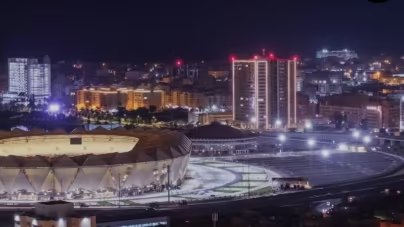
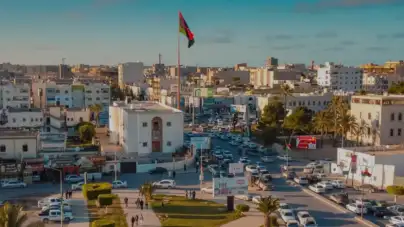
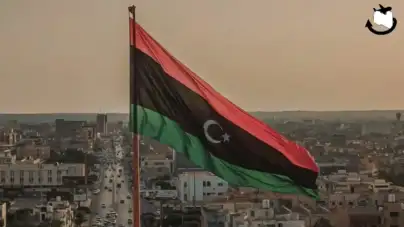
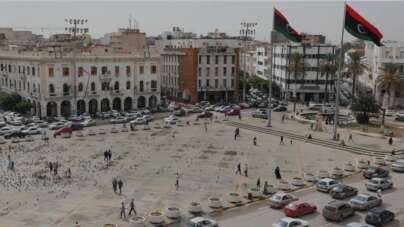
From the moment you set foot on the outskirts of Misrata, you realize that you are not just in another coastal city on the Mediterranean map. You are in the presence of the "beating heart" of Libya—a city that has successfully harnessed its sands to build an economic legacy and stood firm against political storms…
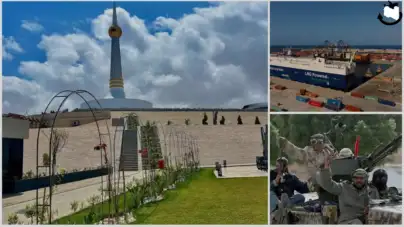
Tourism in Benghazi is a central element of the tourism in Libya, thanks to its strategic geographical location on the Mediterranean coast and its unique natural, historical, and cultural assets. Benghazi, which is considered the second-largest city in Libya after the capital Tripoli, serves as a vital hub connecting the authenticity of the past with…
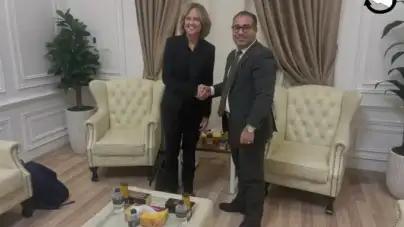
On Tuesday, October 30, 2024, the Acting Special Representative of the Secretary-General for Political Affairs and Acting Head of the United Nations Support Mission in Libya held a meeting with Hilde Klemetsdal, the accredited non-resident Norwegian Ambassador to Libya. During the meeting, they discussed political developments in Libya and the upcoming municipal elections expected to take place…
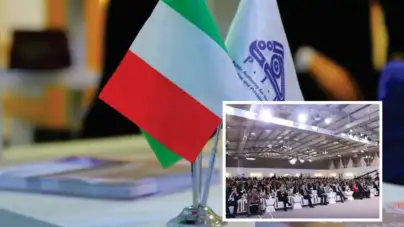
On the sidelines of the opening of the 30th Libyan-Italian Economic Forum held at the Tripoli International Fairgrounds, Prime Minister of the interim Government of National Unity, Abdul Hamid Dbeibeh, along with Italian Prime Minister Giorgia Meloni, inaugurated the forum's activities.
According to the official Facebook page of the General Authority for Investment Promotion and Privatization…
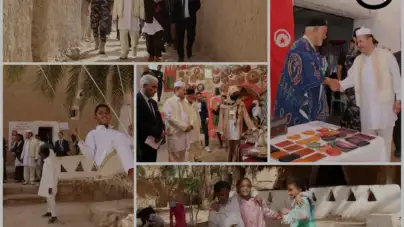
Mr. Nasruddin Milad Al-Fazani, the Minister of Tourism in Libya, participated on Tuesday, October 21, 2024, in the ceremony of organizing the opening of the Ghadames Shopping and Heritage Days Festival. The festival includes cultural events, awareness lectures, in addition to showcasing handmade products and a date exhibition.
The aim of the festival is to encourage the organization…
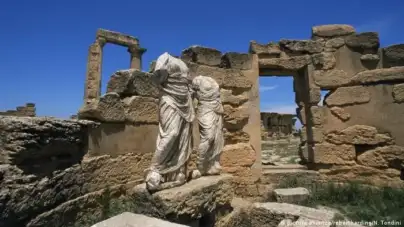
UNESCO, known as the United Nations Educational, Scientific and Cultural Organization, was established in 1945. This organization announces a list of historical, natural, or cultural sites around the world and calls for their protection and preservation from destruction. The list includes more than 890 sites located in over 148 countries.
Libya is one of the countries…
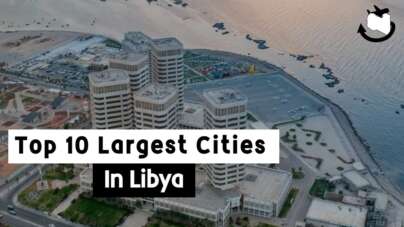
Libya is the fourth largest country in Africa and ranks 17th in the world in terms of area. The country has over 50 cities, most of which are located along the Mediterranean coastline. With a population of approximately 7 million according to the latest statistics, most Libyans live in coastal cities such as Tripoli, Benghazi,…
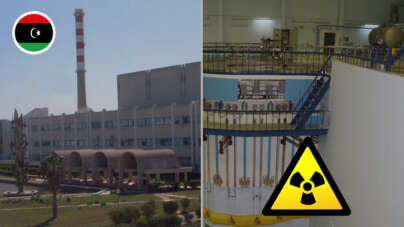
Gaddafi tried many ways to possess nuclear weapons in Libya, until the dream almost became a reality. Learn about the only nuclear facility in Libya.
Misrata covers an area of 2,770 square kilometers and is located on the coast of the Mediterranean Sea. It ranks third among the largest cities in Libya after Tripoli and Benghazi. Misrata is one of the most important economic cities in Libya due to its rapid economic growth and prosperity, with a population exceeding 881,000 people according…
Libya is distinguished by the diversity of its landscapes from one place to another and its vast size, as it ranks as the fourth largest country in Africa. Libya is located in the north of the continent, overlooking the Mediterranean Sea, and is bordered to the south by Sudan and Niger, to the east by Egypt,…
In a strategic move to support its tourism sector, Libya has announced the implementation of a visa-free travel policy for citizens of eight Arab countries: Algeria, Egypt, Jordan, Mauritania, Morocco, Syria, Tunisia, and Turkey. This initiative aims to enhance tourism flows and increase the number of visitors from these countries, thereby contributing to the revival of the…
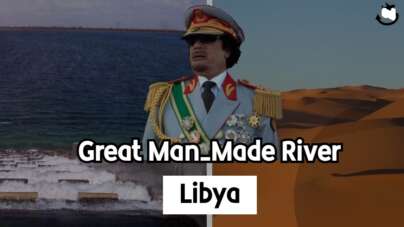
The Great Man-Made River is considered one of humanity’s greatest achievements and the most expensive project in the world. How did Muammar Gaddafi manage to build the largest man-made river in the world?